
Comparison
Video Journal vs. Written Journal: Which Should You Use?
A balanced comparison of speed, depth, emotion, searchability and privacy, and which one fits what you're trying to capture.
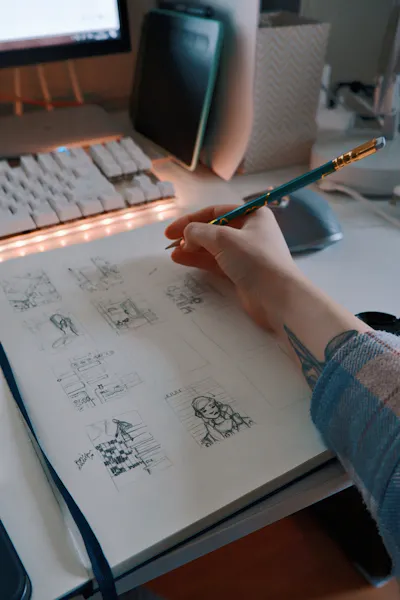
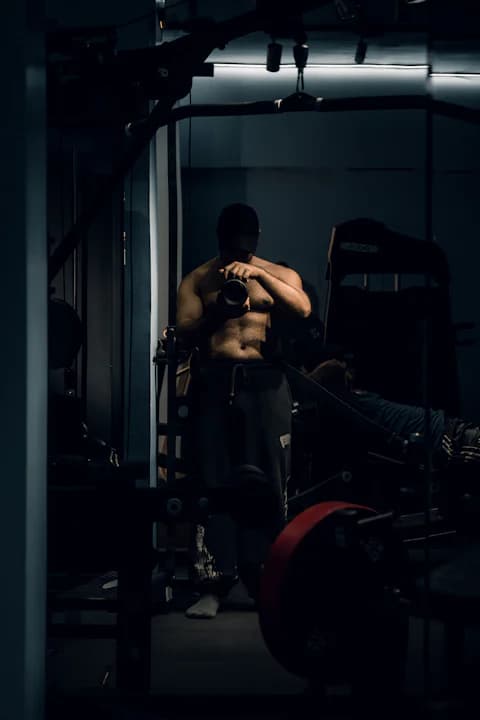
Neither format is better in general. They're good at different things. Writing is good for working something out. Video is good for capturing how something was. The right choice depends on what you want to have in your hands a year from now.
We make a video journal app, so we're not neutral, and it's fair to say so. This comparison tries to be honest about where writing is the better tool.
The short answer
- Choose a written journal if you want to think through problems, plan, or reflect at length, and if you want to search your entries later.
- Choose a video journal if you want a quick daily habit, want to capture how you looked and sounded, or are documenting something visible, like a skill, your body or a project.
- Use both if you want the habit and the depth: short daily videos, occasional long written entries.
Side-by-side comparison
| Written journal | Video journal | |
|---|---|---|
| Time per entry | 5–20 minutes for a real entry | 30–60 seconds is enough |
| Depth | Strong: lets you work through complex thoughts | Limited: better for snapshots than analysis |
| Emotion and tone | What you chose to write down | Your voice, face and energy as they were |
| Visible progress | Described, not shown | Shown: posture, skill, surroundings |
| Searchability | Easy to search and skim | Hard to search; you watch, not scan |
| Privacy | A notebook can be locked away; apps vary | Depends on where videos are stored |
| Reviewing later | Fast to reread | Slower, but more vivid |
| Getting started | Blank page can stall you | Talking can feel awkward at first |
Speed
A written entry worth keeping usually takes several minutes. You have to find the words, and you tend to edit as you go. A video entry takes as long as you talk. For a daily habit, that difference matters: the entry that takes 30 seconds is the one you'll still be making on day forty.
Writing wins if you're fast at it and enjoy it. Many people are, and for them a few lines in a notebook is quicker than setting up a camera.
Depth
Writing is better for depth. It slows you down, lets you revise, and makes it easier to follow a thought through to the end. If your journal's job is to untangle a decision or process something difficult, write.
Video journals tend toward snapshots: what happened, how it felt, what's next. That's a strength for documenting progress, and a limitation for deep reflection.
Emotion
When you write "I was exhausted," you're describing a feeling after deciding what it was. On video, the exhaustion is just there, in your voice and your face, whether you named it or not. Watching old entries back, that tends to be the thing people notice: not what they said, but how they sounded.
The flip side: video can feel exposing. Some people are more honest on paper, precisely because nobody can see them.
Visual progress
This is where video clearly wins. If you're learning guitar, training, recovering from an injury or building something with your hands, a written entry can only describe the change. A video shows it: Day 1 next to Day 90, the same chord, the same lift, the same room.
This is the idea Jourvelope is built around. Each goal is a journey, and the app puts your first recording next to your latest so you can see the difference. See how a goal video journal works.
Searchability
Writing wins again. You can search a notes app for a word, skim a notebook in minutes, and find a specific entry by date or keyword. Video is linear: you have to watch.
Two things help. Keep video entries short, and add a short text label to each one. In Jourvelope each recording can have an optional caption of up to 80 characters, so the timeline stays skimmable.
Privacy
Neither format is private by default. A paper notebook is only as private as where you keep it. With digital journals, privacy depends on where the entries are stored and who can access them.
With video, check whether recordings end up in your camera roll, where gallery backups and shared albums can pick them up. Jourvelope keeps recordings in the app's own storage on your phone rather than your gallery, and doesn't upload them. More in private video journaling.
Reviewing
Rereading a month of written entries takes minutes. Watching a month of video entries takes longer, but short entries keep it manageable: thirty 30-second clips is 15 minutes. What you get from video review is harder to get from text: seeing yourself change.
Best use cases
| If you want to… | Better fit |
|---|---|
| Work through a decision or a difficult feeling | Written |
| Plan your week or set goals | Written |
| Build a daily check-in habit that sticks | Video |
| Document learning a skill | Video |
| Document a fitness or health journey | Video |
| Remember what a year of your life was like | Either; video is more vivid |
| Find a specific entry quickly later | Written |
Using both
Many people end up with a hybrid: a 30-second video most days for the habit and the visual record, and a written entry when something needs more space. The formats don't compete. They cover each other's weak spots.
FAQ
Is video journaling better for mental health than writing?
We won't claim that. Writing has been studied far more than video, and whether either helps depends on the person and how they use it. If journaling is part of how you look after your mental health, use whichever format you'll actually keep up, and talk to a professional if you're struggling.
Can I transcribe my video journal?
Some tools do this. It gives you searchable text, but you lose some of what makes video useful, like tone and expression. A short caption per entry is often enough to find things later.
Which is easier to keep up?
It depends on the person. For many people, short video entries are easier day to day because there's no blank page. For confident writers, a few lines of text may be just as quick.